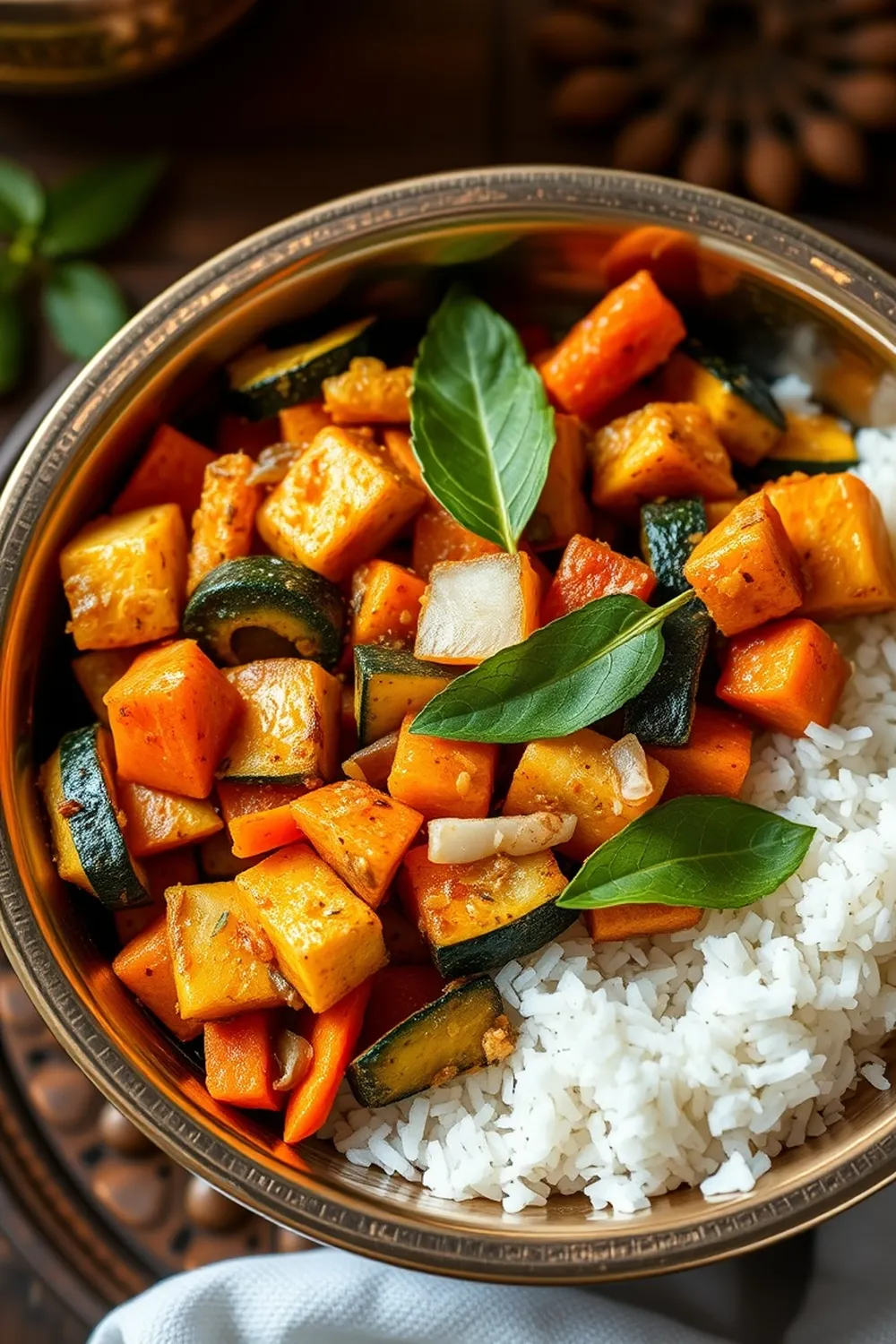
- Rinse rice thoroughly and cook with water and salt for 10-12 minutes (using a pressure cooker or pot). Let cool, then mix with turmeric and sesame oil.
- Soak tamarind in hot water for 30-40 minutes, then extract the pulp by straining.
- Dry roast red chilies, coriander seeds, chana dal, urad dal, fenugreek seeds, peppercorns, and sesame seeds until fragrant. Grind to a powder with asafoetida.
- Heat sesame oil in a pan. Temper mustard seeds, lentils, and peanuts until golden brown and crisp.
- Add red chilies, turmeric powder, curry leaves, and asafoetida to the tempering. Pour in the strained tamarind pulp.
- Simmer the tamarind mixture with salt and jaggery until it thickens. Add the spice powder and cook until it forms a pulikachal sauce.
- Gently mix the pulikachal sauce with the cooked rice until well combined. Allow the flavors to infuse before serving.
- Calories:380 kcal25%
- Energy:1589 kJ22%
- Protein:6 g28%
- Carbohydrates:62 mg40%
- Sugar:3 mg8%
- Salt:300 g25%
- Fat:12 g20%
Last Updated on 6 months ago by Neha Deshmukh
Sona Masuri Rice Pulikachal Recipe – Tangy South Indian Tamarind Rice
Introduction
Oh, Pulikachal! This tangy tamarind rice is pure comfort food for me. It’s one of those dishes my grandmother used to make, and the aroma instantly transports me back to her kitchen. It’s a staple in South Indian homes, especially during festivals, and honestly, it’s just so satisfying. Today, I’m sharing my version of this classic Sona Masuri Rice Pulikachal – a little tangy, a little spicy, and a whole lot delicious!
Why You’ll Love This Recipe
This Pulikachal isn’t just about the taste (though that’s a huge part of it!). It’s relatively easy to make, perfect for a weeknight dinner, or a potluck. Plus, it keeps well, so you can enjoy the flavors over a couple of days. It’s a fantastic way to experience the vibrant flavors of South Indian cuisine.
Ingredients
Here’s what you’ll need to create this flavorful Pulikachal:
- 1 heaped cup sona masuri rice
- ?? to ?? teaspoon salt (start with 1 tsp, adjust to taste)
- 2.5 cups water for cooking rice
- ?? teaspoon turmeric powder
- 1 tablespoon sesame oil (plus 3 tbsp for tempering)
- 4 dry red chillies
- 2 teaspoons coriander seeds
- 1 teaspoon chana dal (split chickpeas)
- 1 teaspoon urad dal (split black lentils)
- ?? teaspoon fenugreek seeds
- ?? teaspoon whole black pepper
- ?? teaspoon sesame seeds
- ?? teaspoon asafoetida (hing)
- 50 grams tamarind
- 10-12 curry leaves
- 1-2 teaspoons jaggery powder
- ?? cup peanuts
Ingredient Notes
Let’s talk ingredients! A few tips to make sure everything comes together perfectly:
Sona Masuri Rice: Choosing the Right Grain
Sona Masuri is my go-to for Pulikachal. It’s a medium-grain rice that cooks up fluffy and absorbs the tangy flavors beautifully. You can find it at most Indian grocery stores. About 200g of dry rice is equivalent to 1 cup.
Tamarind: Understanding its Sourness & Varieties
Tamarind is the star of the show! I prefer using the block form, as it gives a richer, more complex flavor. You can also use tamarind paste, but you might need to adjust the quantity. Roughly 50g of tamarind block yields about 1/2 cup of pulp.
Spice Blend: The Heart of Pulikachal Flavor
Don’t skimp on the spice blend! Roasting the spices really brings out their aroma. I usually roast a larger batch and store it for future use.
Sesame Oil: A South Indian Staple
Sesame oil is essential for that authentic South Indian flavor. It has a distinct nutty aroma that complements the tamarind perfectly. Don’t substitute with other oils if you can help it!
Asafoetida (Hing): A Unique Flavor Enhancer
Asafoetida might smell a little funky on its own, but trust me, it adds a wonderful depth of flavor to the Pulikachal. A little goes a long way!
Step-By-Step Instructions
Alright, let’s get cooking!
- Cook the Rice: Rinse the sona masuri rice thoroughly under cold water until the water runs clear. Then, pressure cook the rice with 2.5 cups of water and salt for 10-12 minutes. Once cooked, let it cool completely. Gently fluff it with a fork and mix in 1 tablespoon of sesame oil and a pinch of turmeric powder. Set aside.
- Soak the Tamarind: In a bowl, soak the tamarind in 1.5 cups of hot water for about 30-40 minutes. This will soften the tamarind and make it easier to extract the pulp. Once soaked, squeeze and strain the tamarind pulp, discarding the seeds and fibers.
- Roast & Grind the Spices: Dry roast the red chillies, coriander seeds, chana dal, urad dal, fenugreek seeds, black pepper, and sesame seeds in a pan over medium heat until fragrant and slightly browned. Be careful not to burn them! Let them cool slightly, then grind them into a fine powder using a spice grinder or blender. Add a pinch of asafoetida while grinding.
- Temper the Flavors: Heat 3 tablespoons of sesame oil in a pan over medium heat. Add mustard seeds and let them splutter. Then, add peanuts and lentils, and fry until golden brown.
- Build the Sauce: Add the red chillies, turmeric powder, curry leaves, and asafoetida to the tempering. Sauté for a minute, then pour in the strained tamarind pulp. Bring to a simmer.
- Simmer & Thicken: Add salt and jaggery powder to the tamarind mixture. Simmer for about 15-20 minutes, or until the sauce has thickened to your desired consistency. Stir in the spice powder and cook for another 5-7 minutes, ensuring everything is well combined.
- Combine & Infuse: Gently mix the cooked rice with the pulikachal sauce until the rice is evenly coated. Let the flavors infuse for at least 15-20 minutes before serving. This allows the rice to absorb all that delicious tangy goodness!
Expert Tips
- Don’t overcook the rice! You want it to be fluffy, not mushy.
- Taste the tamarind pulp before adding it to the pan. Adjust the jaggery accordingly to balance the sourness.
- If the sauce is too thick, add a little water. If it’s too thin, simmer for a few more minutes.
Variations
- Vegan Pulikachal Adaptation: This recipe is naturally vegan! Just double-check your jaggery source to ensure it hasn’t been processed with bone char.
- Gluten-Free Pulikachal: This recipe is naturally gluten-free.
- Spice Level Adjustment (Mild to Spicy): Reduce the number of red chillies for a milder flavor, or add more for a spicier kick.
- Festival Adaptations (Pongal, Onam): During festivals, some families add a handful of roasted peanuts or cashews for extra crunch and richness.
Serving Suggestions
Pulikachal is delicious on its own, but it also pairs well with papadums, yogurt, or a simple vegetable side dish. It’s also fantastic for lunchboxes!
Storage Instructions
Pulikachal can be stored in an airtight container in the refrigerator for up to 3-4 days. The flavors actually develop even more over time!
FAQs
What type of rice is best for Pulikachal?
Sona Masuri rice is the traditional choice, but you can also use other medium-grain rice varieties.
Can I use tamarind paste instead of soaking and straining?
Yes, you can! Use about 2-3 tablespoons of tamarind paste and adjust the quantity to taste.
How do I adjust the sweetness in Pulikachal?
Add more or less jaggery powder to balance the sourness of the tamarind.
What is the purpose of asafoetida in this recipe?
Asafoetida adds a unique umami flavor that enhances the overall taste of the Pulikachal.
How long does Pulikachal stay fresh?
Pulikachal stays fresh in the refrigerator for up to 3-4 days.
Can I make the spice powder ahead of time?
Absolutely! You can roast and grind the spices in advance and store them in an airtight container for up to a month.



Neha Deshmukh
Neha holds a B.A. in History with a focus on Indian and world history, including ancient, medieval, and modern periods. At RecipesOfIndia.org — the world’s largest database of Indian recipes — she combines her love for food and history by exploring how India’s past has shaped its culinary traditions.