- Roast or pressure cook sweet potato pieces until tender. Let cool completely.
- Prepare filling: Cook coconut, jaggery, and salt together until melted and slightly thickened. Stir in cashews and cardamom.
- Grate the cooled sweet potatoes and mix with amaranth flour to form a smooth dough.
- Divide the dough into small balls and flatten each into a circle on greased parchment paper.
- Place filling on one half of each circle, fold over to form a semi-circle, and firmly seal the edges.
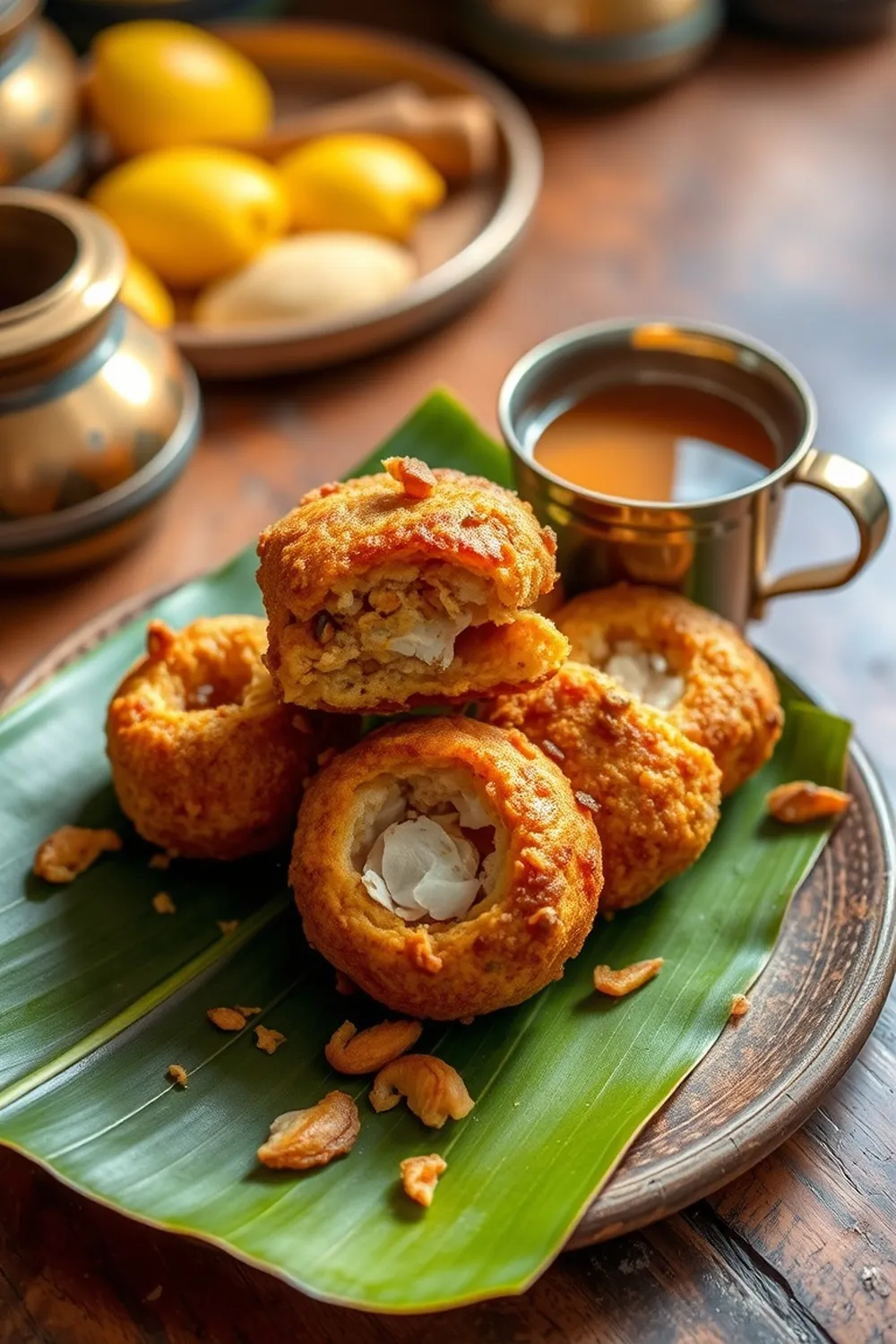
- Shallow fry the karanjis in ghee over medium heat until golden brown and crispy on both sides.
- Serve warm or at room temperature.
- Calories:220 kcal25%
- Energy:920 kJ22%
- Protein:4 g28%
- Carbohydrates:30 mg40%
- Sugar:15 mg8%
- Salt:50 g25%
- Fat:10 g20%
Last Updated on 6 months ago by Neha Deshmukh
Sweet Potato Karanji Recipe – Authentic Indian Fried Sweet with Coconut & Jaggery
Hey everyone! If you’re anything like me, you absolutely love a good traditional Indian sweet. And today, I’m so excited to share a recipe that’s been a family favorite for years – Sweet Potato Karanji! These little pockets of goodness are crispy, flaky, and bursting with a sweet, coconutty, jaggery-filled center. Trust me, once you try these, you’ll be hooked.
Why You’ll Love This Recipe
Karanji, especially during festivals, always brings back such warm memories of my grandmother in the kitchen. This version, using sweet potato, is a slightly healthier and wonderfully flavorful twist on the classic. It’s a delightful treat that’s perfect for festive occasions, afternoon tea, or just when you’re craving something sweet and comforting. Plus, it’s surprisingly easy to make!
Ingredients
Here’s what you’ll need to create these delicious karanjis:
- 250 grams Sweet Potato
- 3-4 tablespoons Amaranth (Rajgira) Flour
- 0.75 cup Fresh grated coconut
- 0.5 cup + 1 tablespoon Jaggery / Gud
- 18-20 Cashew nuts (cut in small pieces)
- 0.25 teaspoon Cardamom powder
- 1-2 pinch Salt
- As needed Desi Ghee (Clarified Butter)
Ingredient Notes
Let’s talk ingredients! A few little tips from my kitchen to yours:
- Sweet Potato Varieties & Selection: I prefer using the orange-fleshed sweet potatoes as they give a beautiful color and a naturally sweet flavor. But any variety will work! Just make sure they’re firm and don’t have any blemishes.
- Amaranth Flour (Rajgira Flour) – A Nutritional Powerhouse: Rajgira flour is a fantastic gluten-free option and is packed with nutrients. It gives the karanjis a lovely, slightly nutty flavor. You can find it at most Indian grocery stores or online.
- The Significance of Desi Ghee (Clarified Butter): Desi ghee isn’t just about flavor; it’s about tradition! It adds a richness and aroma that’s simply unmatched. Plus, it has a higher smoke point, making it ideal for frying.
- Jaggery (Gud) – Regional Variations & Flavor Profile: Jaggery is unrefined sugar, and its flavor varies depending on the region it’s from. I like using a darker jaggery for a more robust, caramel-like flavor. If you can’t find jaggery, you can substitute it with brown sugar, but the flavor won’t be quite the same.
Step-By-Step Instructions
Alright, let’s get cooking!
- First, roast or pressure cook your sweet potato pieces until they’re beautifully tender. Once cooked, let them cool completely. This is important – warm sweet potato will make the dough sticky!
- While the sweet potato cools, let’s make the filling. In a pan, combine the grated coconut, jaggery, and a pinch of salt. Cook over medium heat, stirring constantly, until the jaggery melts and everything comes together.
- Add the chopped cashews and cardamom powder to the coconut-jaggery mixture. Give it a good stir and set aside to cool.
- Now, grate the cooled sweet potato. Add the amaranth flour and mix well to form a soft, pliable dough. Don’t add too much flour at once – you want a dough that’s easy to roll.
- Grease a sheet of parchment paper with a little ghee. Take a small portion of the dough and flatten it into a circle. Repeat with the remaining dough.
- Place a spoonful of the coconut-jaggery filling in the center of each circle. Fold the circle in half to form a semi-circle, and firmly seal the edges by pressing with a fork or your fingers. This is key to preventing the filling from spilling out!
- Heat ghee in a pan over medium heat. Gently place the karanjis in the hot ghee, being careful not to overcrowd the pan.
- Fry the karanjis until they’re golden brown and crispy on both sides. This usually takes about 2-3 minutes per side.
- Remove the karanjis from the ghee and place them on a paper towel-lined plate to drain any excess ghee.
Expert Tips
A few little secrets to help you nail this recipe:
- Achieving the Perfect Dough Consistency: The dough should be soft and pliable, but not sticky. If it’s too sticky, add a little more amaranth flour, one teaspoon at a time.
- Preventing Karanji from Bursting During Frying: Make sure the edges are really well sealed! A good seal is your best defense against exploding karanjis.
- Mastering the Folding & Sealing Technique: A little practice makes perfect. Don’t be afraid to experiment with different folding techniques until you find one that works for you.
Variations
Want to switch things up? Here are a few ideas:
- Vegan Karanji Adaptation: Substitute the ghee with coconut oil for a vegan version. It will have a slightly different flavor, but still delicious! My friend, Priya, swears by this.
- Gluten-Free Confirmation: This recipe is naturally gluten-free thanks to the use of amaranth flour!
- Spice Level Adjustment – Adding a Hint of Heat: A tiny pinch of nutmeg or a very small piece of green chili in the filling can add a lovely warmth.
- Festival Adaptations – Holi & Diwali Special: These are especially popular during Holi and Diwali. You can even add a few strands of saffron to the filling for a festive touch.
Serving Suggestions
Serve these karanjis warm or at room temperature with a glass of milk or a cup of chai. They’re also fantastic as a sweet treat after a meal.
Storage Instructions
Store leftover karanjis in an airtight container at room temperature for up to 3 days. They might lose a little of their crispness, but they’ll still be delicious!
FAQs
Let’s answer some common questions:
- What is the best way to prevent the karanjis from becoming soggy? Make sure the ghee is hot enough before adding the karanjis, and don’t overcrowd the pan. Also, drain them well on paper towels after frying.
- Can I make the filling ahead of time? If so, how should I store it? Absolutely! You can make the filling a day or two in advance and store it in an airtight container in the refrigerator.
- Is it possible to bake these karanjis instead of frying? While frying gives the best texture, you can try baking them at 180°C (350°F) for about 15-20 minutes, flipping halfway through. They won’t be as crispy, but still tasty.
- What can I substitute for jaggery if I don’t have it on hand? Brown sugar is the closest substitute, but you might need to adjust the quantity to taste.
- Can I use a different type of flour besides amaranth flour? What would be the impact? You could try using wheat flour, but the texture will be different – it won’t be as light and crispy. Amaranth flour really does give it that special touch!
Enjoy making these Sweet Potato Karanjis! I hope they bring as much joy to your kitchen as they do to mine. Let me know how they turn out in the comments below!


Neha Deshmukh
Neha holds a B.A. in History with a focus on Indian and world history, including ancient, medieval, and modern periods. At RecipesOfIndia.org — the world’s largest database of Indian recipes — she combines her love for food and history by exploring how India’s past has shaped its culinary traditions.