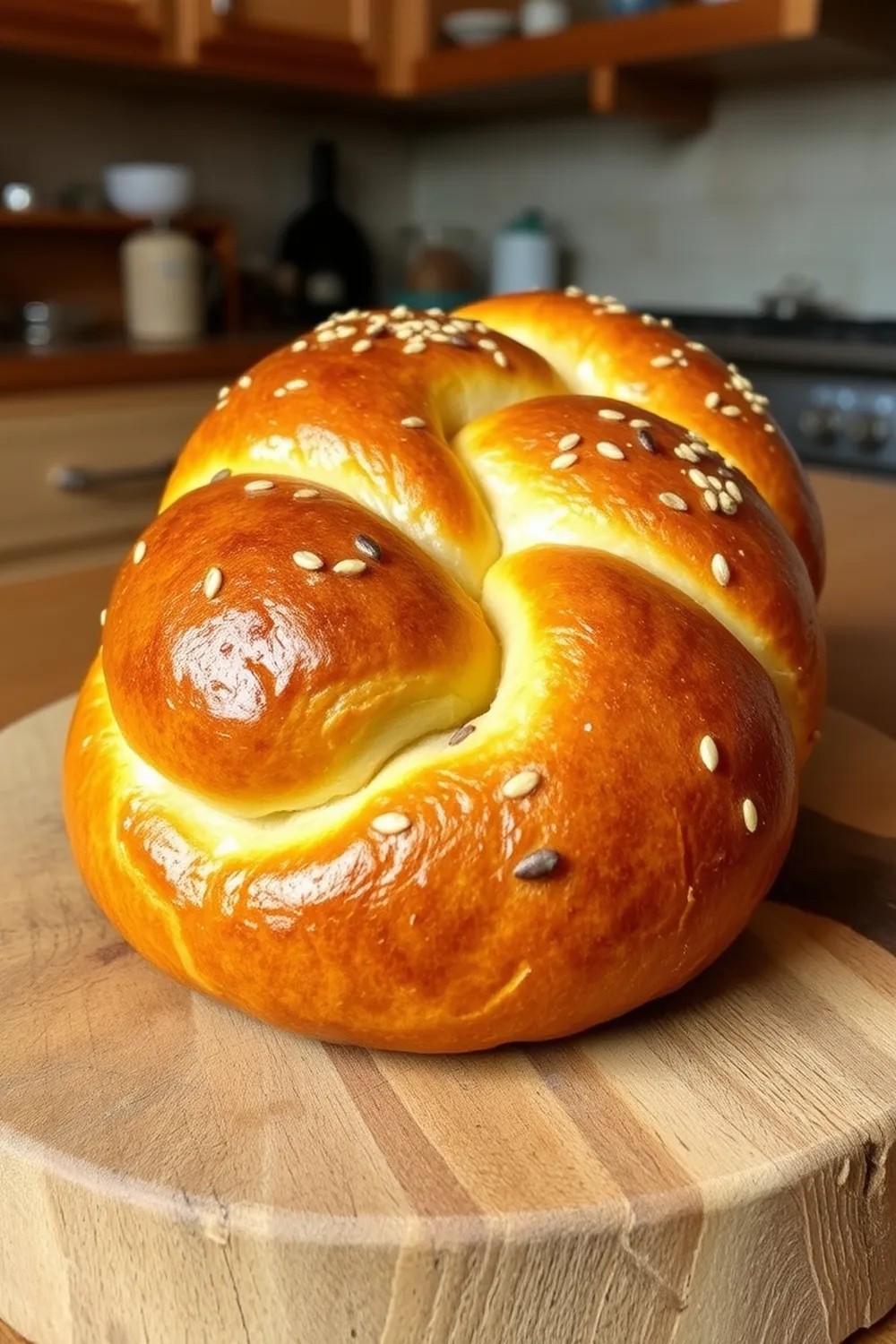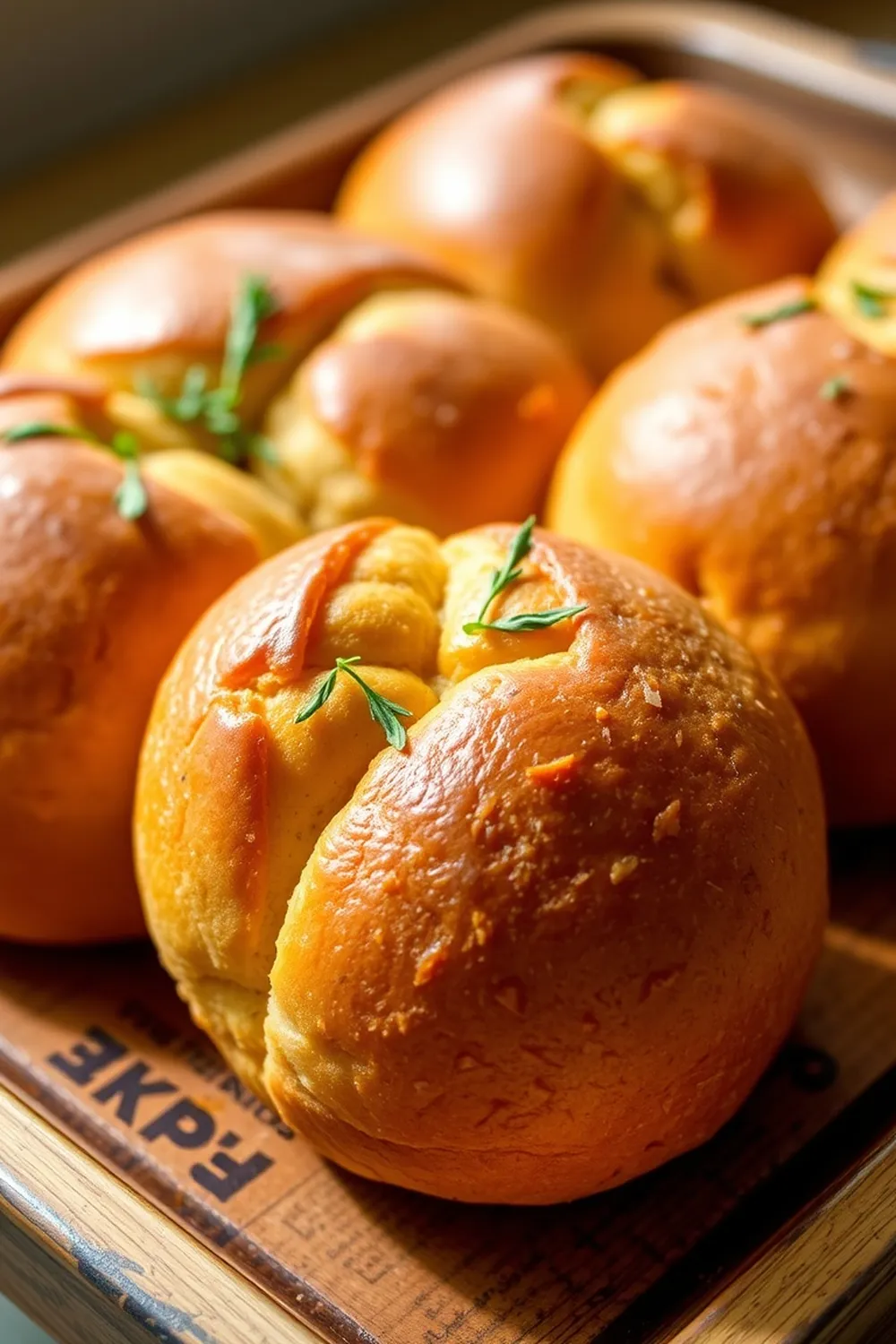
- Preheat oven and roast sweet potatoes until tender. Remove skins and puree.
- Warm milk to 90°F and temper egg by letting it sit in warm (120°F) water for 5 minutes to bring to room temperature.
- In a stand mixer, combine sourdough starter, egg, milk, salt, sweet potato puree, yeast, sugar, and water. Mix at low speed.
- Add bread flour and knead until combined. Gradually incorporate softened butter until dough passes the windowpane test.
- Transfer dough to a bowl, cover, and let rise in a warm (80-85°F) place for 1.5 hours, with stretch-and-folds every 30 minutes.
- Divide dough into 12 pieces, shape into rolls, and place in a greased 9x13-inch pan. Proof for 45 minutes until doubled in size.
- Preheat oven to 375°F (190°C). Bake rolls for 18-20 minutes or until golden brown.
- Cool slightly before serving. Brush with melted butter for extra flavor if desired.
- Calories:151 kcal25%
- Energy:631 kJ22%
- Protein:5 g28%
- Carbohydrates:45 mg40%
- Sugar:8 mg8%
- Salt:250 g25%
- Fat:12 g20%
Last Updated on 5 months ago by Neha Deshmukh
Sweet Potato Sourdough Rolls Recipe – Easy Homemade Bread
Hey everyone! I’m so excited to share this recipe with you – these Sweet Potato Sourdough Rolls are seriously a game changer. I first made these last fall, and they’ve been a family favorite ever since. The subtle sweetness from the sweet potato pairs so well with the tang of sourdough, and the texture is just unbelievably soft. Trust me, you’ll want to make these!
Why You’ll Love This Recipe
These aren’t your average rolls. They’re a little bit special, a little bit comforting, and a whole lot delicious. Here’s why I think you’ll adore them:
- Unique Flavor: The sweet potato adds a lovely depth of flavor that you won’t find in regular sourdough rolls.
- Soft & Fluffy Texture: Sourdough can sometimes be a bit dense, but the sweet potato keeps these rolls incredibly light and airy.
- Homemade Goodness: There’s just something special about the smell of freshly baked bread filling your kitchen, isn’t there?
- Surprisingly Easy: While sourdough can seem intimidating, this recipe is totally manageable, even for beginner sourdough bakers.
Ingredients
Here’s what you’ll need to create these delightful rolls:
- 2 cups Bread flour (approx. 250g)
- ½ cup Roasted Sweet potato puree (approx. 120g)
- ½ cup Sourdough starter (approx. 115g) – active and bubbly!
- ½ cup Water (approx. 120ml) – lukewarm
- 1 egg
- 1 tbsp Granulated sugar (approx. 12g)
- ½ cup Whole milk (approx. 120ml) – warmed to 90°F (32°C)
- 1 ½ teaspoon Salt (approx. 8g)
- 1 teaspoon Instant Yeast (approx. 3g)
- 4 tbsp Unsalted butter (approx. 57g) – softened
Ingredient Notes
Let’s talk ingredients! A few tips to make sure your rolls turn out perfectly:
- Sourdough Starter: A happy, active starter is key. Make sure it’s doubled in size after feeding before using it. This recipe works best with a starter that’s been fed within the last 4-6 hours.
- Sweet Potato: Roasting the sweet potato really concentrates the flavor. I prefer using orange-fleshed sweet potatoes for their sweetness, but garnet or jewel sweet potatoes will also work beautifully.
- Bread Flour: Bread flour has a higher protein content than all-purpose flour, which helps develop the gluten needed for a chewy, structured roll. If you absolutely must substitute, all-purpose will work in a pinch, but the texture won’t be quite the same.
- Butter: Good quality butter makes a difference! I always use unsalted butter so I can control the salt level. Make sure it’s properly softened – not melted – for easy incorporation into the dough.
Step-By-Step Instructions
Alright, let’s get baking!
- First, preheat your oven and roast your sweet potatoes until they’re wonderfully tender. Once cooled, scoop out the flesh and puree it until smooth. Set aside ½ cup for the recipe.
- Gently warm your milk to 90°F (32°C). In a separate small bowl, place your egg in hot water (120°F/49°C) for about 5 minutes to bring it to room temperature. This helps it incorporate better into the dough.
- In the bowl of your stand mixer, combine the sourdough starter, egg, warmed milk, salt, sweet potato puree, yeast, sugar, and water. Give it a quick mix on low speed.
- Now, add the bread flour. Knead with the dough hook on low speed until everything is combined. Gradually add the softened butter, a tablespoon at a time, until the dough starts to come together.
- Increase the speed to medium and knead for about 8-10 minutes, until the dough passes the windowpane test (see “Expert Tips” below!).
- Transfer the dough to a lightly oiled bowl, cover it, and let it rise in a warm place (around 80-85°F/27-29°C) for about 1.5 hours. Don’t forget to do stretch and folds every 30 minutes – this builds strength in the dough.
- After the bulk fermentation, gently divide the dough into 12 equal pieces. Shape each piece into a roll and place them in a greased 9×13 inch baking pan.
- Cover the pan and let the rolls proof for another 45 minutes, or until they’ve doubled in size.
- Preheat your oven to 375°F (190°C). Bake the rolls for 18 minutes, or until they’re golden brown and sound hollow when tapped.
- Let them cool slightly before serving. A brush of melted butter on top is highly recommended!
Expert Tips
Want to take your rolls to the next level? Here are a few pro tips:
- The Windowpane Test: This is how you know your gluten is developed! Take a small piece of dough and gently stretch it. If you can stretch it thin enough to see light through it without tearing, you’re good to go.
- Optimal Proofing: A warm environment is crucial for proofing. If your kitchen is cold, you can create a proofing box by placing the dough in a turned-off oven with a bowl of hot water.
- Sourdough Pitfalls: Don’t be afraid of sourdough! If your starter is sluggish, feed it a few times before using it. And remember, patience is key – sourdough takes time.
Variations
Let’s get creative!
- Vegan Adaptation: Substitute the egg with a flax egg (1 tbsp flaxseed meal + 3 tbsp water). Use plant-based milk and butter.
- Gluten-Free Adaptation: This is tricky! Gluten-free bread flour blends can work, but the texture will be different. I recommend a blend with xanthan gum for structure.
- Spice Level: Add a teaspoon of cinnamon or nutmeg to the dough for a warming, festive flavor. My grandma always added a pinch of cardamom!
- Festival Adaptations: For Thanksgiving, add a tablespoon of chopped fresh rosemary to the dough. For Christmas, try adding dried cranberries and orange zest.
Serving Suggestions
These rolls are amazing on their own, but they’re even better with…
- A hearty stew or soup
- Roasted chicken or turkey
- A simple smear of butter and jam
- As part of a festive brunch spread
Storage Instructions
- Room Temperature: Store leftover rolls in an airtight container at room temperature for up to 2 days.
- Freezing: These rolls freeze beautifully! Wrap them individually in plastic wrap and then place them in a freezer bag. They’ll keep for up to 2 months. Reheat in the oven or microwave.
FAQs
Got questions? I’ve got answers!
- What is the best way to feed my sourdough starter for this recipe? Feed your starter equal parts flour and water (e.g., 50g starter + 50g flour + 50g water) and let it sit at room temperature until doubled in size.
- Can I use a different type of sweet potato? Yes, you can! Garnet or jewel sweet potatoes will also work well.
- Can I make these rolls ahead of time and freeze them? Absolutely! You can freeze them after the second proof, before baking. Let them thaw overnight and then bake as directed.
- What does “stretch and fold” mean and why is it important? It’s a technique to develop gluten strength. Gently stretch a portion of the dough upwards and fold it over itself. Rotate the bowl and repeat several times.
- How can I tell if my rolls are fully baked? They should be golden brown and sound hollow when tapped on the bottom.
- Can I substitute the whole milk with another type of milk? Yes, you can use 2% milk or even plant-based milk, but whole milk will give you the best results.


Neha Deshmukh
Neha holds a B.A. in History with a focus on Indian and world history, including ancient, medieval, and modern periods. At RecipesOfIndia.org — the world’s largest database of Indian recipes — she combines her love for food and history by exploring how India’s past has shaped its culinary traditions.