- Roast coconut in 1 tsp ghee until golden brown. Set aside. Heat jaggery with water until dissolved. Strain to remove impurities and cool completely.
- In a bowl, mix rice flour, rava (semolina), cardamom powder, roasted coconut, sesame seeds, and mashed banana. Add the cooled jaggery syrup and mix to form a thick batter (similar to idli batter consistency). Let the batter rest for 1 hour.
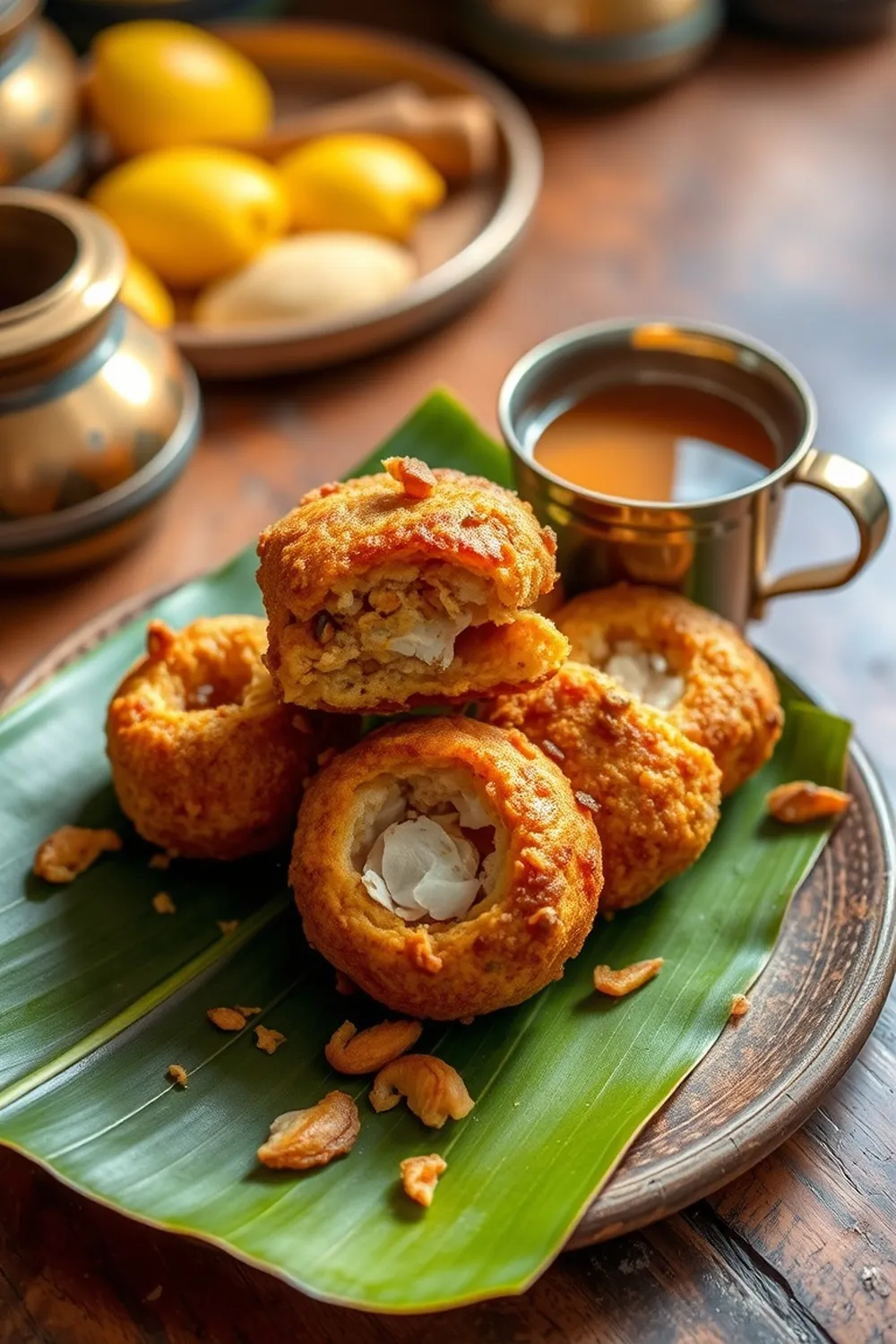
- Heat a paniyaram pan over medium heat. Add a few drops of ghee and oil to each hole. Spoon batter into the holes, filling them about ¾ full. Drizzle a little oil around the edges of each paniyaram. Cook until the sides are browned and crisp, then flip and cook until golden brown on both sides. Serve hot.
- Calories:500 kcal25%
- Energy:2092 kJ22%
- Protein:4 g28%
- Carbohydrates:90 mg40%
- Sugar:46 mg8%
- Salt:4 g25%
- Fat:13 g20%
Last Updated on 6 months ago by Neha Deshmukh
Traditional Paniyarams Recipe – Coconut, Jaggery & Sesame Seed Delight
Hey everyone! Today, I’m sharing a recipe that’s incredibly close to my heart – traditional Paniyarams. These little dumplings are a South Indian breakfast staple, and honestly, once you make them, you’ll be hooked. They’re sweet, subtly spiced, and have this amazing crispy exterior with a soft, fluffy inside. I first made these with my grandmother, and the smell instantly transports me back to her kitchen! Let’s get cooking, shall we?
Why You’ll Love This Recipe
Paniyarams are more than just a delicious treat. They’re a little pocket of comfort, perfect for a weekend brunch or a festive occasion. They’re relatively easy to make (though there’s a little resting time involved!), and the combination of coconut, jaggery, and sesame seeds is just divine. Plus, they’re a fantastic way to introduce someone to the wonderful world of South Indian cuisine.
Ingredients
Here’s what you’ll need to make these delightful Paniyarams:
- 1 cup rice flour / idiyappam flour (about 150g)
- ½ medium banana, mashed (about 60g)
- 1.5 tablespoons sooji / rava (about 15g)
- ¾ cup jaggery (about 150g)
- ½ teaspoon sesame seeds (about 2g)
- 1 tablespoon ghee (about 15ml)
- 2 tablespoons coconut pieces / grated coconut (about 15g)
- ¾ teaspoon cardamom powder (about 2g)
- ¾ cup water (about 180ml)
- Oil, as needed
Ingredient Notes
Let’s talk ingredients! A few little tips can make all the difference:
- Idiyappam Flour vs. Rice Flour: Traditionally, idiyappam flour (string hopper flour) gives the most authentic texture. However, regular rice flour works beautifully too! If using rice flour, you might find you need a tiny bit more water to get the right consistency.
- Jaggery Varieties: Jaggery comes in different colours and flavours depending on the sugarcane used. Darker jaggery has a more robust, molasses-like flavour. Feel free to experiment!
- Regional Ghee Preferences: Ghee is a must for that authentic flavour. In some regions, people prefer using homemade ghee, while others use store-bought. It’s really down to personal preference.
- Sesame Seed Types: Black sesame seeds add a lovely nutty flavour and visual contrast, but white sesame seeds work just as well.
Step-By-Step Instructions
Alright, let’s get down to business!
- First, let’s prepare the jaggery. Roast the coconut in 1 teaspoon of ghee until it turns a beautiful golden brown. Set it aside to cool.
- In a saucepan, combine the jaggery and water. Heat it over medium heat until the jaggery is completely dissolved.
- Strain the jaggery syrup to remove any impurities, then let it cool completely. This is important – warm jaggery can affect the batter consistency.
- Now, in a large bowl, combine the rice flour, rava, cardamom powder, roasted coconut, and sesame seeds.
- Add the mashed banana and cooled jaggery syrup to the dry ingredients. Mix everything together really well.
- Gradually add water, mixing until you get a thick batter – think idli batter consistency. It should be able to hold its shape when you drop a spoonful.
- Cover the bowl and let the batter rest for at least an hour. This allows the rava to absorb the moisture and gives the paniyarams a lovely texture.
- Heat a paniyaram pan over medium heat. Add a little ghee and oil to each hole.
- Spoon the batter into each hole, filling them about ¾ full. Drizzle a little oil around the edges of each paniyaram.
- Cook for a few minutes until the sides start to brown. Then, carefully flip them over and cook until golden brown on the other side too.
- Serve hot and enjoy!
Expert Tips
- Don’t overcrowd the pan. Work in batches to ensure even cooking.
- If the batter is too thick, add a tablespoon of water at a time until you reach the desired consistency.
- Keep the heat at medium. Too high, and the paniyarams will burn on the outside before cooking through.
Variations
Want to switch things up? Here are a few ideas:
- Vegan Adaptation: Substitute the ghee with coconut oil or any other vegetable oil.
- Gluten-Free Confirmation: This recipe is naturally gluten-free, as long as you ensure your rava and rice flour are certified gluten-free.
- Spice Level: My friend loves adding a pinch of nutmeg to the batter for a warmer flavour. Feel free to adjust the cardamom to your liking!
- Festival Adaptations: During Ganesh Chaturthi or Onam, my family loves making these with a little extra coconut and a sprinkle of edible camphor for a festive touch.
Serving Suggestions
Paniyarams are best enjoyed hot, straight off the pan! They’re delicious on their own, but you can also serve them with a dollop of yogurt or a side of coconut chutney. A cup of filter coffee is the perfect accompaniment.
Storage Instructions
Paniyarams are best eaten fresh. However, if you have leftovers, you can store them in an airtight container at room temperature for a day. Reheat them in a pan or toaster oven to restore some of their crispiness.
FAQs
Let’s answer some common questions:
- What is the best flour to use for paniyarams? Idiyappam flour is traditional, but rice flour works great too!
- Can I make the batter ahead of time? If so, how long will it keep? Yes, you can! The batter will keep in the refrigerator for up to 24 hours. You might need to add a little water to adjust the consistency before cooking.
- What oil is traditionally used for paniyarams? Coconut oil or vegetable oil are commonly used.
- How do I know when the paniyarams are cooked through? They should be golden brown on both sides and firm to the touch.
- Can I use powdered jaggery instead of solid jaggery? Yes, you can! Use about ¾ cup of powdered jaggery and adjust the water accordingly. You might need slightly less water.


Neha Deshmukh
Neha holds a B.A. in History with a focus on Indian and world history, including ancient, medieval, and modern periods. At RecipesOfIndia.org — the world’s largest database of Indian recipes — she combines her love for food and history by exploring how India’s past has shaped its culinary traditions.