- Heat oil in a large saucepan. Add whole spices (cardamom, bay leaf, cinnamon, cloves, peppercorns, star anise) and let them sizzle for 30 seconds.
- Add curry leaves, sliced onions, and slit green chilies. Sauté until onions turn translucent.
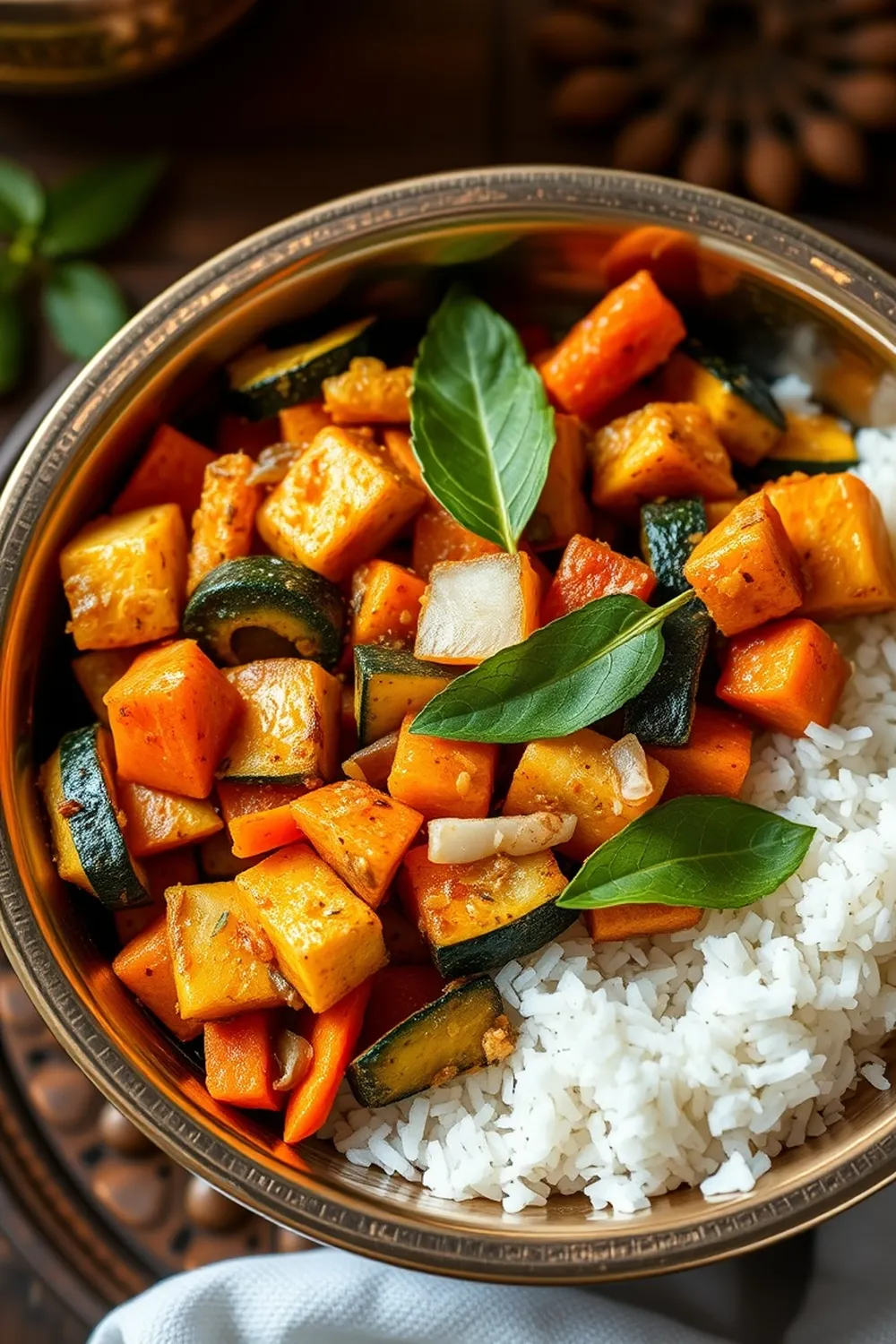
- Mix in chopped tomatoes, cauliflower florets, potatoes, carrots, turmeric powder, and red chili powder. Stir well to coat vegetables.
- Cover and let vegetables steam on low heat for 5 minutes, stirring occasionally.
- Add drained basmati rice. Sauté for 5 minutes until rice grains appear dry.
- Pour in hot water and add thawed peas. Bring to a boil on high heat.
- Season with salt, pepper, and garam masala. Reduce heat to low, cover, and cook until rice absorbs all water (15-20 minutes).
- Turn off heat. Fluff rice gently with a fork. Serve hot with raita or pickle.
- Calories:320 kcal25%
- Energy:1338 kJ22%
- Protein:7 g28%
- Carbohydrates:58 mg40%
- Sugar:4 mg8%
- Salt:450 g25%
- Fat:8 g20%
Last Updated on 6 months ago by Neha Deshmukh
Vegetable Biryani Recipe – Cauliflower, Peas & Potato Delight
Introduction
Biryani. Just the word conjures up images of fragrant rice, tender vegetables, and a symphony of spices, doesn’t it? It’s the celebratory dish in so many Indian households, and for good reason! I remember the first time I attempted biryani – it felt a little daunting, honestly. But once I got the hang of layering flavors, it became a regular in my kitchen. This Vegetable Biryani, packed with cauliflower, peas, and potatoes, is a lighter take on the classic, perfect for a weeknight dinner or a festive gathering. It’s comforting, flavorful, and surprisingly easy to make!
Why You’ll Love This Recipe
This isn’t your average veggie biryani. We’re building layers of flavor with a beautiful whole spice blend, and the combination of cauliflower, potatoes, and sweet peas is just divine. It’s a complete meal in one pot, and honestly, who doesn’t love that? Plus, it’s a fantastic way to get your veggies in!
Ingredients
Here’s what you’ll need to create this aromatic masterpiece:
- 3 tbsp oil
- 2 cardamom pods
- 1 bay leaf
- 1 cinnamon stick
- 3 cloves
- 10 peppercorns
- 1 star anise
- 2 sprigs curry leaves
- 1 large onion (sliced)
- 3 green chillies (slit)
- 1 large tomato (chopped)
- 1 small cauliflower (florets)
- 1 large potato (chopped)
- 1 large carrot (chopped)
- 1 tsp turmeric powder
- 1 tsp red chilli powder
- 2 cups basmati rice (soaked)
- 3.75 cups hot water
- 0.5 cup frozen peas
- Salt and pepper to taste
- 0.5 tsp garam masala powder
Ingredient Notes
Let’s talk ingredients! A few things make all the difference in a good biryani.
- Basmati Rice: This is key. Basmati has a lovely fragrance and fluffy texture that holds up beautifully in biryani. Don’t skip soaking it for at least 30 minutes – it helps the grains cook evenly and stay separate.
- Garam Masala: This warm spice blend is the heart of Indian cooking. You can find it pre-made at most Indian grocery stores, or make your own for a truly authentic flavor.
- Whole Spice Blend: Don’t underestimate the power of these little guys! Cardamom, cinnamon, cloves, bay leaf, star anise, and peppercorns create a fragrant base that infuses the entire dish with aroma. Gently toasting them in oil releases their essential oils and maximizes their flavor.
Step-By-Step Instructions
Alright, let’s get cooking!
- Heat the oil in a large, heavy-bottomed saucepan over medium heat. Add the cardamom, bay leaf, cinnamon, cloves, peppercorns, and star anise. Let them sizzle for about 30 seconds – you’ll smell the magic happening!
- Add the curry leaves, sliced onion, and slit green chillies. Sauté until the onions turn translucent and slightly golden brown. This usually takes about 5-7 minutes.
- Now, toss in the chopped tomato, cauliflower florets, potato, and carrot. Sprinkle in the turmeric powder and red chilli powder. Give everything a good stir to coat the vegetables evenly.
- Cover the saucepan and let the vegetables steam on low heat for about 5 minutes, stirring occasionally. This helps them soften slightly before adding the rice.
- Add the soaked and drained basmati rice to the pan. Sauté for another 5 minutes, stirring frequently, until the rice grains appear dry and slightly toasted.
- Pour in the hot water and add the frozen peas. Bring the mixture to a boil over high heat.
- Season with salt, pepper, and garam masala powder. Reduce the heat to low, cover the pan tightly, and cook for 15-20 minutes, or until the rice has absorbed all the water. Resist the urge to peek!
- Once the rice is cooked, turn off the heat and let it rest for 5-10 minutes. Fluff the rice gently with a fork. Serve hot!
Expert Tips
- Don’t overcook the vegetables: You want them to retain a little bite.
- Use good quality water: Filtered water will give you the best flavor.
- Low and slow is the way to go: Cooking on low heat ensures the rice cooks evenly and doesn’t stick to the bottom of the pan.
- Resting time is crucial: Allowing the biryani to rest allows the flavors to meld together beautifully.
Variations
- My family loves adding paneer (Indian cheese) to this biryani. Just cube some paneer and add it along with the peas.
- For a richer flavor, you can add a tablespoon of ghee (clarified butter) along with the oil.
- My friend makes a fantastic mushroom biryani using this same base recipe!
Vegan Adaptation
This recipe is easily made vegan! Simply ensure your garam masala doesn’t contain any animal-derived ingredients (some blends do).
Gluten-Free Adaptation
This recipe is naturally gluten-free! Just double-check that your garam masala is also gluten-free.
Spice Level Adjustment
- Mild: Reduce the amount of green chillies to 1 or omit them altogether. Use ½ tsp of red chilli powder.
- Medium: Use the recipe as written.
- Hot: Add an extra green chilli and increase the red chilli powder to 1.5 tsp.
Festival Adaptations
Biryani is a staple at Indian festivals!
- Eid: Serve with raita and a side of salan (a spicy gravy).
- Diwali: Pair with a sweet dish like gulab jamun or rasgulla.
- Holidays: It’s always a crowd-pleaser, no matter the occasion!
Serving Suggestions
Biryani is fantastic on its own, but it’s even better with:
- Raita: A cooling yogurt dip.
- Pickle: Adds a tangy kick.
- Salad: A simple onion and cucumber salad.
Storage Instructions
Leftover biryani can be stored in an airtight container in the refrigerator for up to 3 days. Reheat gently in the microwave or on the stovetop.
FAQs
- What type of rice is best for biryani? Basmati rice is the gold standard! Its long grains and fragrant aroma make it perfect for biryani.
- Can I use frozen cauliflower instead of fresh? Yes, you can! Just make sure to thaw it completely and pat it dry before adding it to the pan.
- How can I adjust the spice level of this biryani? See the “Spice Level Adjustment” section above for tips.
- What is garam masala and where can I find it? Garam masala is a warm spice blend commonly used in Indian cuisine. You can find it at most Indian grocery stores or online.
- Can this biryani be made in an Instant Pot? Yes! There are many Instant Pot biryani recipes available online. You’ll need to adjust the cooking time and liquid accordingly.



Neha Deshmukh
Neha holds a B.A. in History with a focus on Indian and world history, including ancient, medieval, and modern periods. At RecipesOfIndia.org — the world’s largest database of Indian recipes — she combines her love for food and history by exploring how India’s past has shaped its culinary traditions.