- Soak rice, toor dal, and moong dal in water for 30 minutes.
- Heat ghee in a pressure cooker. Add cumin seeds, hing (asafoetida), and kasuri methi (dried fenugreek leaves). Sauté until aromatic.
- Add chopped onion and ginger-garlic paste. Sauté until golden brown.
- Stir in turmeric powder, chilli powder, cumin powder, and coriander powder on low heat. Sauté for 30 seconds.
- Add chopped tomato and cook until mushy.
- Mix in peas, carrot, potato, beans, and salt. Sauté for 1 minute.
- Drain and add soaked rice and dals. Sauté for 1 minute.
- Pour 3-4 cups of water, mix well, and pressure cook for 3-4 whistles.
- Once cooked, check the consistency and add hot water to adjust if needed.
- For tempering: Heat ghee in a small pan. Add cumin seeds, hing (asafoetida), dried red chilli, and a pinch of chilli powder. Pour over the khichdi.
- Garnish with fresh coriander leaves and mix gently.
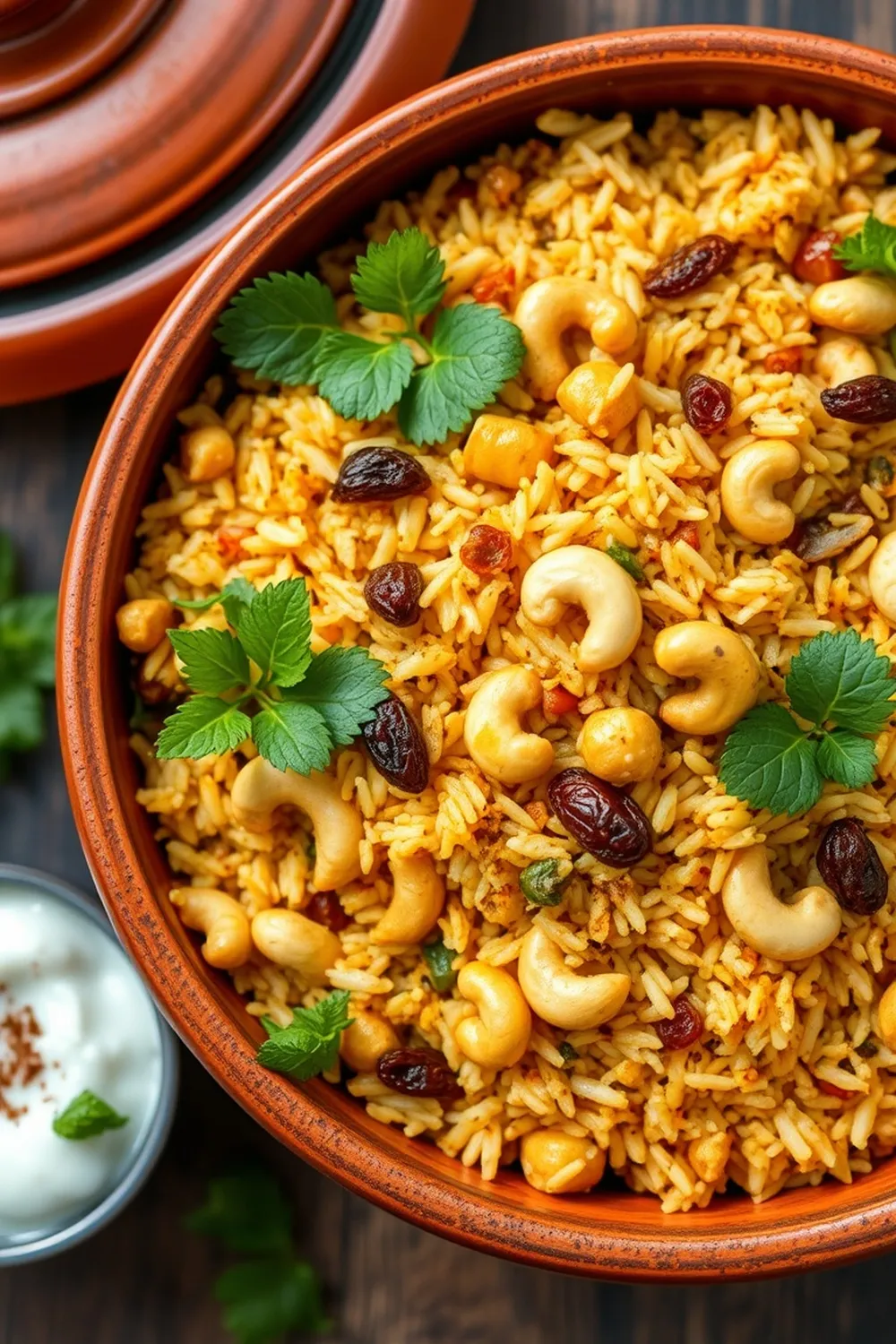
- Serve hot with raita or pickle.
- Calories:492 kcal25%
- Energy:2058 kJ22%
- Protein:16 g28%
- Carbohydrates:72 mg40%
- Sugar:5 mg8%
- Salt:1223 g25%
- Fat:16 g20%
Last Updated on 6 months ago by Neha Deshmukh
Vegetable Khichdi Recipe – Authentic Indian Comfort Food
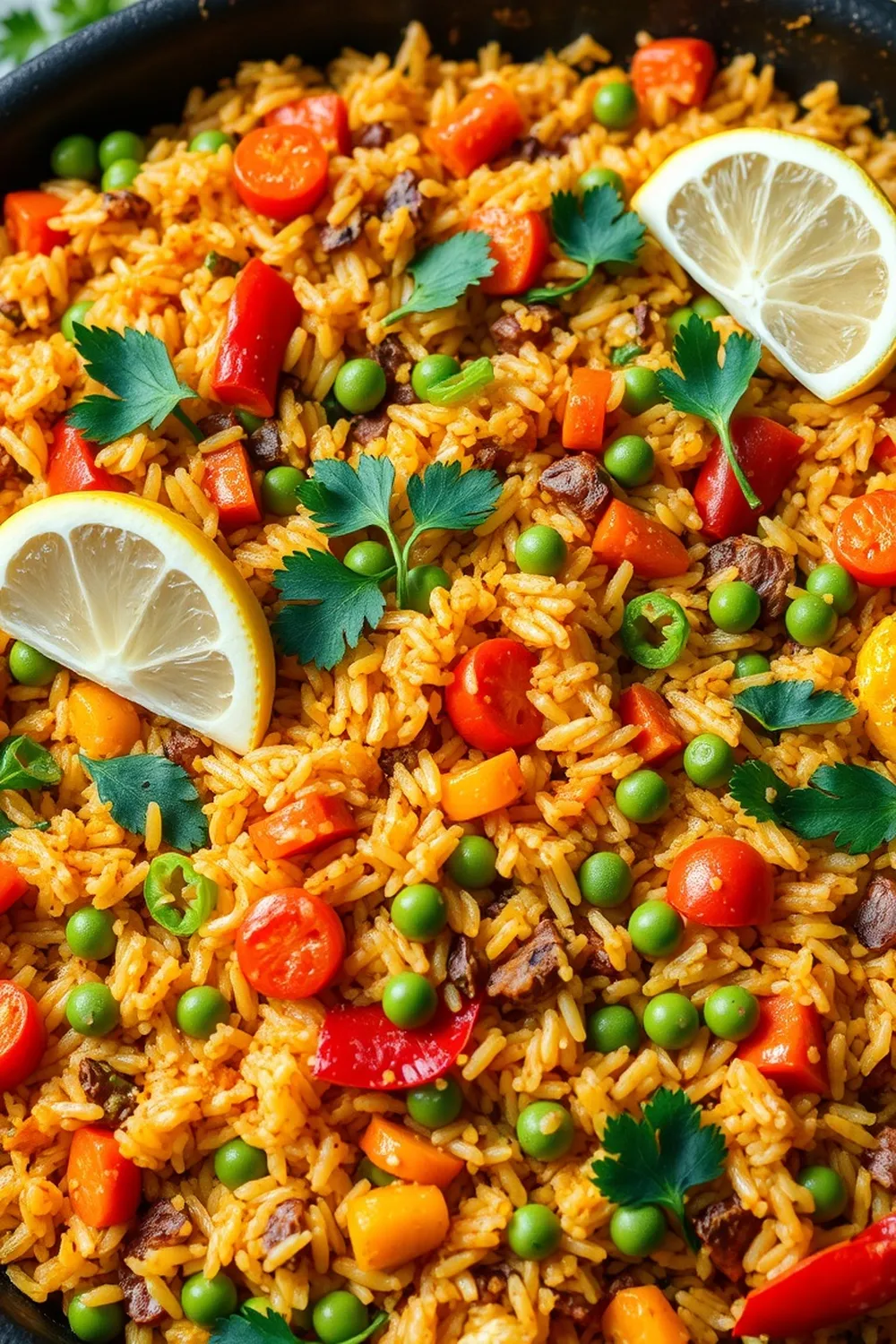
Hey everyone! If you’re looking for a hug in a bowl, you’ve come to the right place. Khichdi (pronounced kich-ree) is the ultimate Indian comfort food. It’s simple, nourishing, and just tastes like home. I remember my grandmother making this for me whenever I was feeling under the weather, and honestly, it still works its magic today! This vegetable khichdi recipe is a slightly more vibrant take on the classic, packed with goodness and flavor.
Why You’ll Love This Recipe
This isn’t just any khichdi. It’s a one-pot wonder that’s ready in under 30 minutes! It’s perfect for a quick weeknight dinner, a cozy weekend lunch, or even when you’re just craving something warm and comforting. Plus, it’s incredibly versatile – feel free to swap in your favorite veggies. It’s a complete meal in itself, providing protein, carbs, and plenty of vitamins.
Ingredients
Here’s what you’ll need to make this delicious vegetable khichdi:
- 1 cup rice (Basmati or Sona Masoori work well)
- ½ cup toor dal (split pigeon peas)
- ½ cup moong dal (split yellow lentils)
- 2 tbsp ghee (clarified butter)
- 1 tsp cumin seeds
- 1 pinch hing (asafoetida)
- 1 tsp kasuri methi (dried fenugreek leaves)
- 1 onion, chopped
- 1 tsp ginger-garlic paste
- ½ tsp turmeric powder
- ½ tsp chilli powder (adjust to taste)
- ½ tsp cumin powder
- ½ tsp coriander powder
- 1 tomato, chopped
- 3 tbsp peas
- 1 carrot, chopped
- 1 potato, chopped
- 5 beans, chopped
- 2 tsp salt (or to taste)
- 4 cups water
- 2 tbsp coriander leaves, chopped (for garnish)
- 2 tbsp ghee (for tempering)
- 1 dried red chilli (for tempering)
Ingredient Notes
Let’s talk ingredients for a sec! Good quality ghee really makes a difference in the flavor – don’t skimp here. It adds a lovely richness. The blend of toor and moong dal is classic, giving a lovely texture. Toor dal holds its shape a bit more, while moong dal cooks down and creates creaminess.
Vegetable choices are pretty flexible! Traditionally, khichdi is kept simple, but I love adding a mix of seasonal veggies. My mom always added cauliflower, and my friend swears by adding spinach. Feel free to experiment! You can easily adjust the amount of chilli powder to suit your spice preference.
Step-By-Step Instructions
Alright, let’s get cooking!
- First, give the rice, toor dal, and moong dal a good rinse. Then, soak them in water for about 10 minutes. This helps them cook evenly.
- Now, heat 2 tablespoons of ghee in a pressure cooker over medium heat. Once it’s hot, add the cumin seeds, hing, and kasuri methi. Let them sizzle for a few seconds until they become fragrant – this is where the magic starts!
- Add the chopped onion and ginger-garlic paste. Sauté until the onion turns golden brown. Patience is key here; a nicely browned onion adds so much flavor.
- Time for the spices! Sprinkle in the turmeric powder, chilli powder, cumin powder, and coriander powder. Sauté on low heat for about a minute, stirring constantly to prevent burning.
- Add the chopped tomato and cook until it becomes soft and mushy.
- Toss in the peas, carrot, potato, and beans. Sauté for another minute or so.
- Drain the soaked rice and dals and add them to the pressure cooker. Sauté for another minute, coating everything in the lovely spice mixture.
- Pour in the water, give everything a good mix, and close the lid of the pressure cooker. Cook for 3 whistles on medium heat.
- Once the pressure has released naturally, open the lid and check the khichdi. If it’s too thick, add a little hot water to adjust the consistency.
- Now for the tadka (tempering)! Heat 2 tablespoons of ghee in a small pan. Add the cumin seeds, hing, and dried red chilli. Let them sizzle for a few seconds. Pour this hot tempering over the khichdi.
- Garnish with fresh coriander leaves and mix gently.
Expert Tips
- Don’t overcook the khichdi! You want the rice and dals to be soft but still hold their shape.
- If you don’t have a pressure cooker, you can cook the khichdi in a pot on the stovetop. It will take longer, about 45-60 minutes, and you’ll need to add more water.
- A pinch of hing adds a wonderful savory depth. Don’t skip it if you can find it!
Variations
- Vegan Khichdi Adaptation: Simply substitute the ghee with vegetable oil. It won’t have quite the same richness, but it will still be delicious!
- Gluten-Free Confirmation: This recipe is naturally gluten-free, making it a great option for those with dietary restrictions.
- Spice Level Adjustment: For a milder khichdi, reduce the amount of chilli powder. For a spicier kick, add a pinch of cayenne pepper.
- Festival Adaptations: During Makar Sankranti or Pongal, many families add a bit of jaggery (unrefined cane sugar) to their khichdi for a slightly sweet and savory flavor.
Serving Suggestions
Serve hot with a dollop of raita (yogurt dip) or your favorite pickle. A side of papadums (crispy lentil wafers) also goes really well. Honestly, it’s delicious all on its own too!
Storage Instructions
Leftover khichdi can be stored in an airtight container in the refrigerator for up to 3 days. Reheat gently on the stovetop or in the microwave. You might need to add a splash of water to loosen it up.
FAQs
What is the best type of rice to use for Khichdi?
Basmati rice is a popular choice for its aroma and fluffy texture. Sona Masoori is another good option, it’s a shorter grain rice that gets beautifully creamy.
Can I make Khichdi in an Instant Pot?
Absolutely! Use the same ingredients and instructions, but cook on high pressure for 6-8 minutes, followed by a natural pressure release.
How can I adjust the consistency of the Khichdi?
If it’s too thick, add a little hot water. If it’s too thin, cook it for a few more minutes without the lid to allow some of the liquid to evaporate.
What are the health benefits of eating Khichdi?
Khichdi is a complete protein source, easy to digest, and packed with nutrients. It’s often recommended for people recovering from illness or for babies starting solids.
Can I add other vegetables to this Khichdi recipe?
Definitely! Feel free to add any vegetables you like – cauliflower, spinach, peas, green beans, and sweet potatoes all work well.


Neha Deshmukh
Neha holds a B.A. in History with a focus on Indian and world history, including ancient, medieval, and modern periods. At RecipesOfIndia.org — the world’s largest database of Indian recipes — she combines her love for food and history by exploring how India’s past has shaped its culinary traditions.