- In a large bowl, combine whole wheat flour, salt, and oil. Gradually add water while kneading to form a stiff dough.
- Cover the dough with a clean kitchen towel and let it rest for 20-30 minutes.
- Divide the dough into 25-30 small balls. Flatten each ball slightly and lightly oil the surface.
- Roll each piece into a 6-8 inch thick circle using a rolling pin.
- Heat oil in a kadai (or deep frying pan). Test the temperature by dropping a small dough ball; it should rise immediately.
- Carefully fry each puri, gently pressing with a slotted spoon to help it puff up.
- Fry until golden brown and crisp on both sides, then drain on paper towels.
- Serve hot with potato curry, chana masala, or sweet dishes like aamras.
- Calories:150 kcal25%
- Energy:627 kJ22%
- Protein:3 g28%
- Carbohydrates:18 mg40%
- Sugar:mg8%
- Salt:200 g25%
- Fat:8 g20%
Last Updated on 6 months ago by Neha Deshmukh
Whole Wheat Puri Recipe – Authentic Indian Fried Bread
Hey everyone! If you’ve ever been to India, or even an Indian restaurant, you’ve probably fallen in love with puri – those delightfully puffy, golden-brown fried breads. They’re a staple for a reason! I remember the first time my nani (grandmother) let me help her make puris; the sheer joy of watching them puff up was magical. Today, I’m sharing my go-to whole wheat puri recipe, so you can experience that magic in your own kitchen. It’s easier than you think, and so incredibly rewarding.
Why You’ll Love This Recipe
This isn’t just any puri recipe. We’re making it with whole wheat flour, which adds a lovely nutty flavour and a bit more goodness. It’s still wonderfully light and flaky, and perfect for a weekend brunch, a festive meal, or just when you’re craving something special. Plus, it’s a fantastic way to introduce a little bit of Indian cooking into your routine.
Ingredients
Here’s what you’ll need to make these amazing puris:
- 3 cups whole wheat flour (atta) – about 360g
- 1 teaspoon salt – about 6g
- 1 teaspoon oil – about 5ml
- ?? cup fine rava (sooji or semolina) (optional) – about 30-40g
- ?? to 1 cup water – about 240-360ml
Ingredient Notes
Let’s talk ingredients for a sec, because getting these right makes all the difference!
Whole Wheat Flour: Choosing the Right Type
Using good quality atta (whole wheat flour) is key. Look for finely ground flour – it makes a softer puri. You can find it at most Indian grocery stores.
Oil: Selecting the Best Oil for Frying
I prefer using vegetable oil or sunflower oil for frying puris. They have a high smoke point and a neutral flavour. Avoid olive oil, as it doesn’t handle high heat well.
Rava (Sooji/Semolina): The Purpose of Adding Semolina
Adding a little rava is optional, but I highly recommend it! It adds a lovely crispness to the puris. Don’t worry, you won’t even taste it.
Water: Temperature and Quantity Considerations
The water temperature is important. Use lukewarm water – it helps the dough come together nicely. Start with ¾ cup and add more, a little at a time, until you get a stiff dough. You might need slightly more or less depending on the flour.
Step-By-Step Instructions
Alright, let’s get cooking!
- In a large bowl, combine the whole wheat flour, salt, and oil. If you’re using rava, add it now too.
- Gradually add water while kneading to form a stiff dough. This is important – the dough needs to be firm.
- Cover the dough with a kitchen towel and let it rest for 20-30 minutes. This allows the gluten to relax, making the puris softer.
- Divide the dough into 25-30 small balls. Flatten each ball slightly and lightly oil the surface. This prevents them from sticking together.
- Roll each piece into a 3-4 inch thick circle using a rolling pin. Try to keep them as even as possible. Don’t worry if they’re not perfect circles!
- Heat oil in a kadai (deep frying pan) over medium-high heat. Test the temperature by dropping a small dough ball into the oil; it should rise immediately.
- Carefully fry each puri, pressing gently with a slotted spoon to help it puff up completely.
- Fry until golden brown on both sides, then drain on paper towels.
Expert Tips
Want to make sure your puris are perfect? Here are a few of my best tips:
Achieving the Perfect Puff
The key to a puffy puri is the right oil temperature and gentle pressing with the slotted spoon. Don’t overcrowd the kadai – fry only a few puris at a time.
Kneading the Dough for Optimal Texture
Kneading is crucial! A well-kneaded dough will result in soft, pliable puris. Aim for at least 5-7 minutes of kneading.
Oil Temperature: The Key to Non-Greasy Puris
If the oil isn’t hot enough, the puris will absorb too much oil and become greasy. If it’s too hot, they’ll burn quickly. Finding that sweet spot is key!
Troubleshooting: Puris Not Puffing Up
If your puris aren’t puffing up, it could be due to several reasons: the dough is too soft, the oil isn’t hot enough, or you’re not pressing them gently enough.
Variations
Let’s get creative!
Vegan Puri Adaptation
Simply ensure the oil you use is vegan-friendly. The recipe is naturally vegan otherwise!
Gluten-Free Puri Adaptation (Using Alternative Flours)
You can experiment with gluten-free flour blends, but the texture will be different. A mix of rice flour, potato starch, and tapioca starch can work well.
Spice Level: Adding Flavors to the Dough
Add a pinch of turmeric powder or a finely chopped green chilli to the dough for a little extra flavour.
Festival Adaptations: Puris for Special Occasions
During festivals like Diwali, we often make smaller, bite-sized puris for a festive touch.
Serving Suggestions
Puris are incredibly versatile! They’re amazing with:
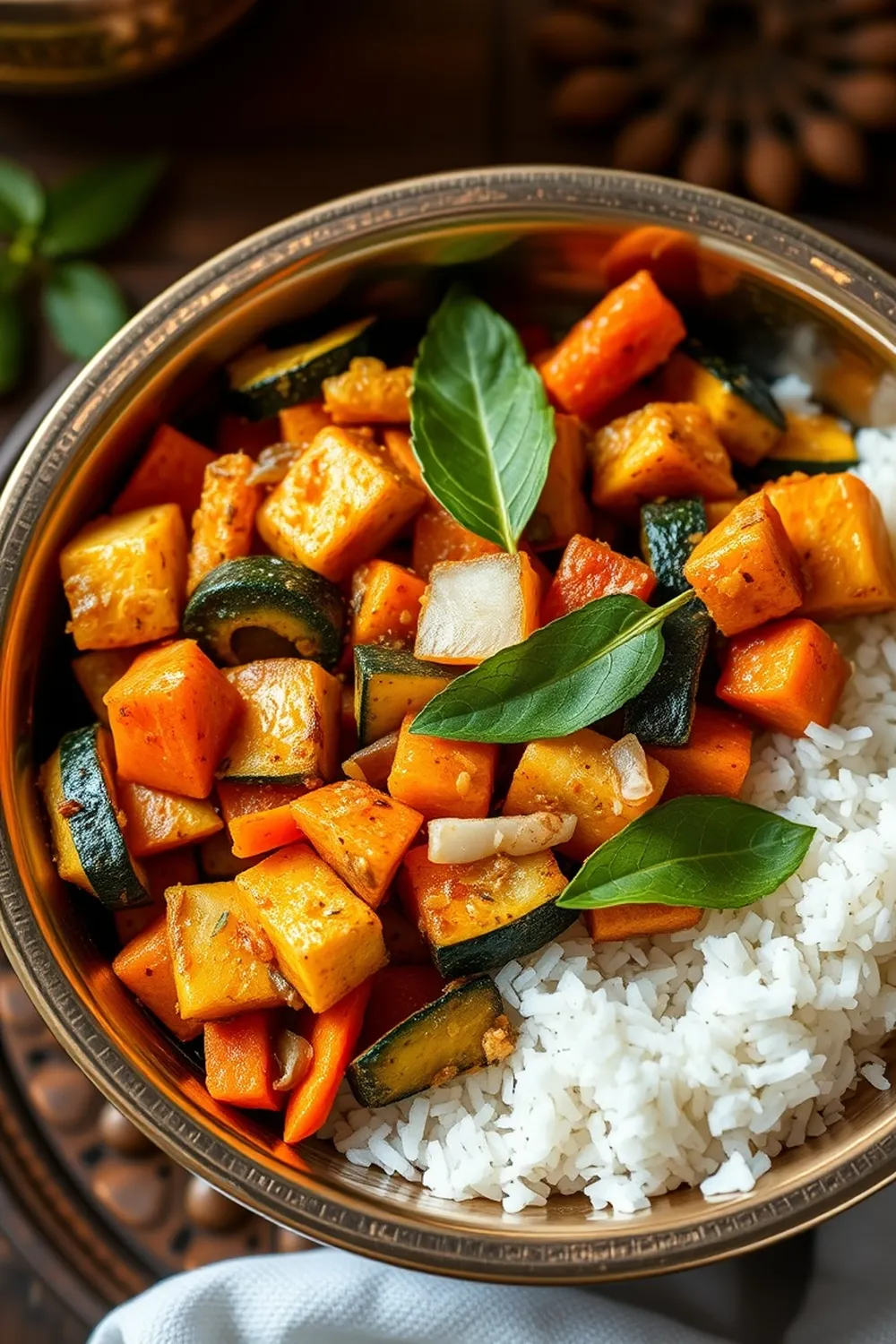
- Potato curry (aloo sabzi)
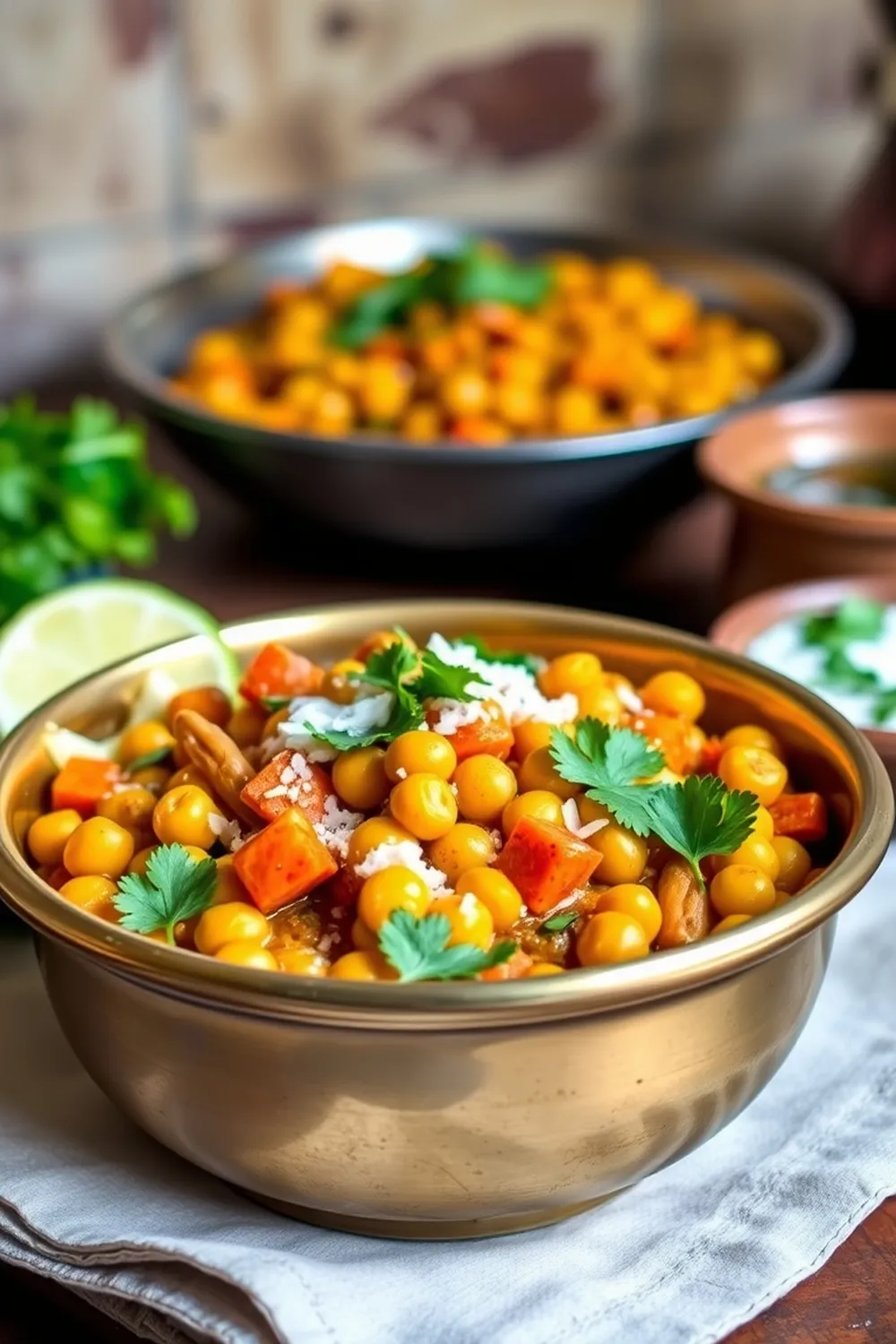
- Chickpea curry (chana masala)
- Sweet dishes like aamras (mango pulp)
- Simply with a dollop of yogurt and pickle!
Storage Instructions
Puris are best enjoyed fresh, but you can store leftovers in an airtight container at room temperature for a day or two. They will lose some of their crispness, but you can reheat them briefly in a hot oven or pan.
FAQs
Got questions? I’ve got answers!
What is the best way to knead the dough for puris?
Knead with the heel of your hand, pushing and folding the dough. It should become smooth and elastic.
Can I make the puris ahead of time?
You can roll out the puris and keep them covered with a damp cloth until you’re ready to fry.
What oil is best for frying puris without making them oily?
Vegetable oil or sunflower oil are great choices. Make sure the oil is hot enough!
How do I know if the oil is hot enough for frying?
Drop a tiny piece of dough into the oil. It should sizzle and rise to the surface immediately.
Can I use a different type of flour besides whole wheat?
You can, but the texture will change. All-purpose flour will result in a softer puri, while gluten-free flours require experimentation.
Enjoy making these delicious whole wheat puris! I hope they bring a little bit of Indian sunshine into your kitchen. Let me know how they turn out in the comments below!



Neha Deshmukh
Neha holds a B.A. in History with a focus on Indian and world history, including ancient, medieval, and modern periods. At RecipesOfIndia.org — the world’s largest database of Indian recipes — she combines her love for food and history by exploring how India’s past has shaped its culinary traditions.